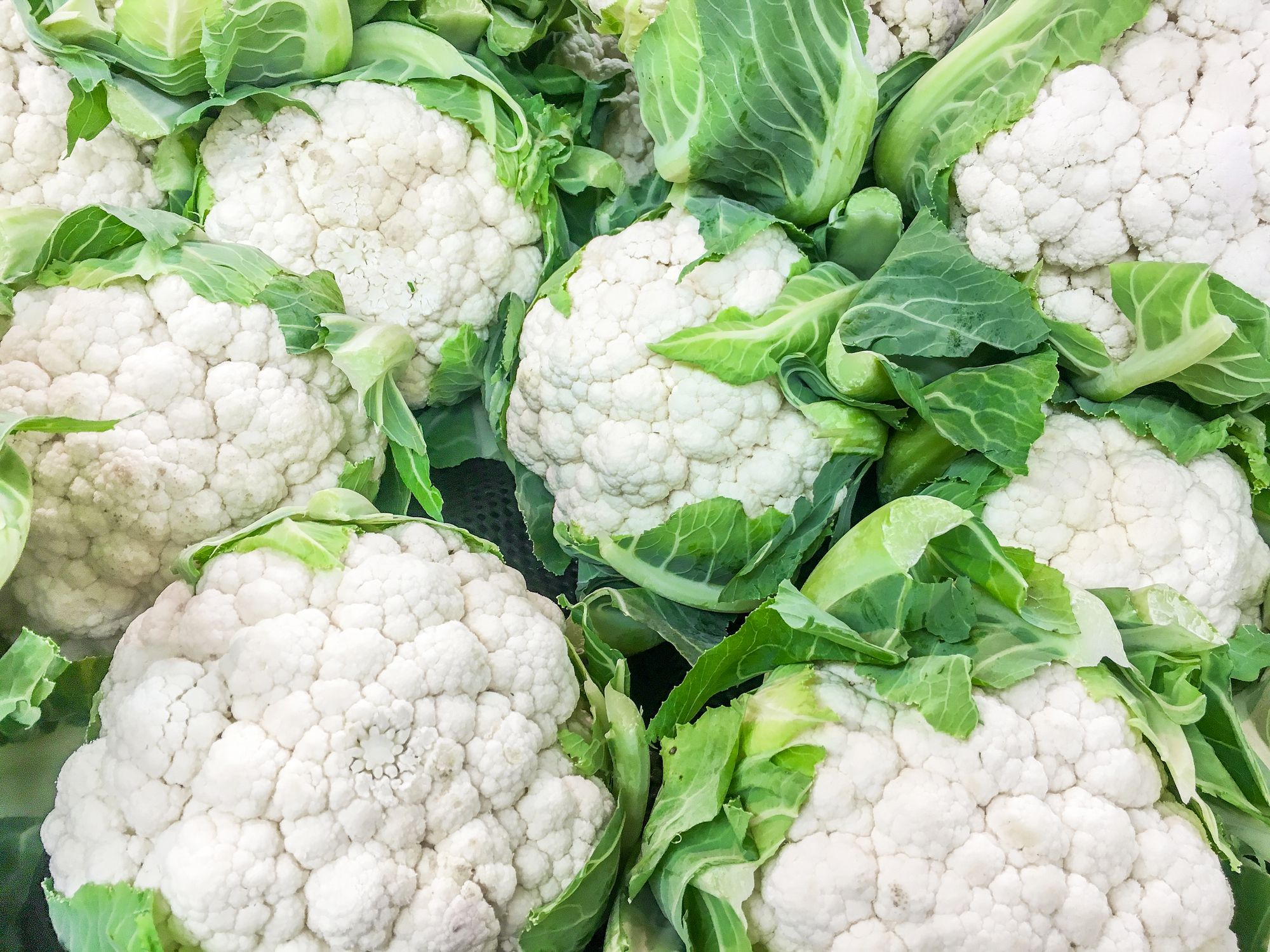
As staple produce of the fall season, broccoli, cauliflower, cabbage and brussels sprouts are popular choices for cool season spring and fall vegetable gardens. These head forming vegetables will need to be planted a little bit earlier in the season than the faster growing loose leaf lettuces, radishes and other fall favorites. These are all members of the same family, and so can be grown using the same guidelines. With enough time, you can grow plenty to use for all your fall cooking. Read on for our guide to growing these vegetables at home.
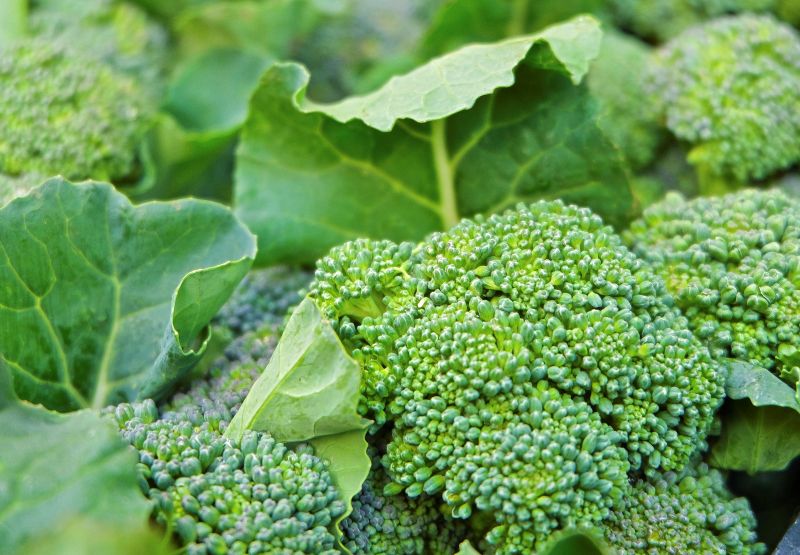
Broccoli, cauliflower, brussels sprouts and cabbage can be grown in containers, in raised beds or directly in the ground, from seed or from transplant. Since these plants require more time to mature than some other cool season vegetables (2-3 months as opposed to as little as 4-6 weeks for a variety of lettuces, radishes, spinach, herbs and carrots), they are some of the best to grow from transplant.
The primary benefit of starting from transplants is time. Broccoli, Cauliflower, Cabbage and Brussels Sprouts seeds need to be started indoors in order to benefit from the full growing season, but you can bypass the extra steps by purchasing transplants to plant directly in the garden when you start your other cool season vegetables.
You can plant transplants from late February to April, and again from late August through September. Plant every 2 weeks during this time frame to increase your harvest and provide a steady supply of vegetables throughout the fall harvest season.
Space your transplants approximately 12-24 inches apart. If planting in containers, each cubic foot can support 2-3 plants. For detailed instructions and product recommendations, visit our cool season growing guide.
If you prefer, you can start from seed indoors to get a jump on your garden. In the winter, January-February is the ideal time to start. Start in July or August for the fall season to allow plenty of time for the harvest.
Follow the instructions on your seed packet when planting, and be ready to transplant your seedlings outdoors when they are at least 4 inches tall.
You will want to harden your seedlings off before planting them outside since they have been sheltered from the sun and weather indoors. Typically about 6-8 weeks after planting, begin placing your seedlings outside during the day, sheltered from direct sunlight. Bring them in at night, then repeat for 4-5 days. Once you have done this, your seedlings will be ready to plant outdoors.
Harvest your broccoli and cauliflower before they begin to yellow. If you notice that the plants are changing color or that the crowns are loosening, it’s time to harvest immediately before your plant blooms.
Cut several inches down the stem. You can leave your plant in place, as it will send up additional smaller shoots through the season that you can harvest as well.
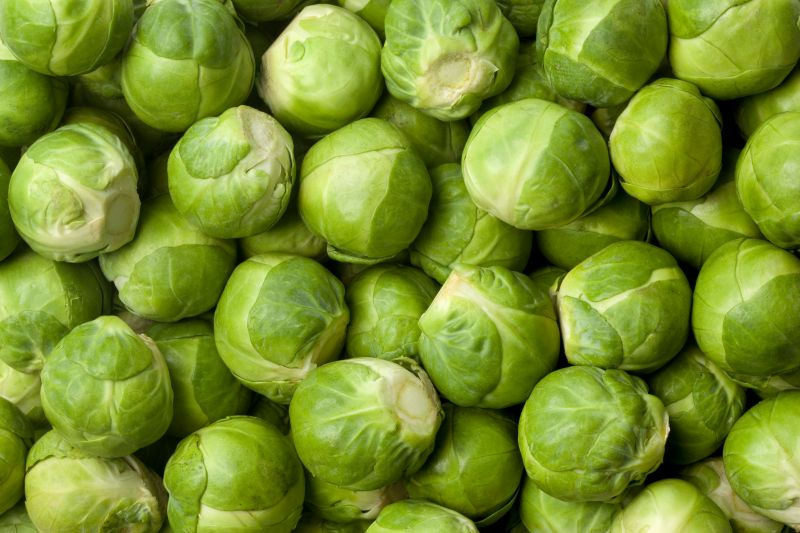
Your brussels sprouts are ready for harvest when they are bright green, feel firm to the touch and are between 1 and 1.5 inches in diameter. If you notice they are turning yellow and beginning to open, like broccoli and cauliflower, they are overripe. Their flavor will not be as pleasant if they are allowed to become overripe. Fortunately, brussels ripen in stages, so you can keep an eye on the other sprouts and harvest them more quickly if you miss the first few.
Cabbage is ready to harvest when the head is firm. Cut your cabbage from the bottom, leaving the loose outer leaves attached to the stem. As with broccoli and cauliflower, this will allow for smaller sprouts to form that can be harvested later.
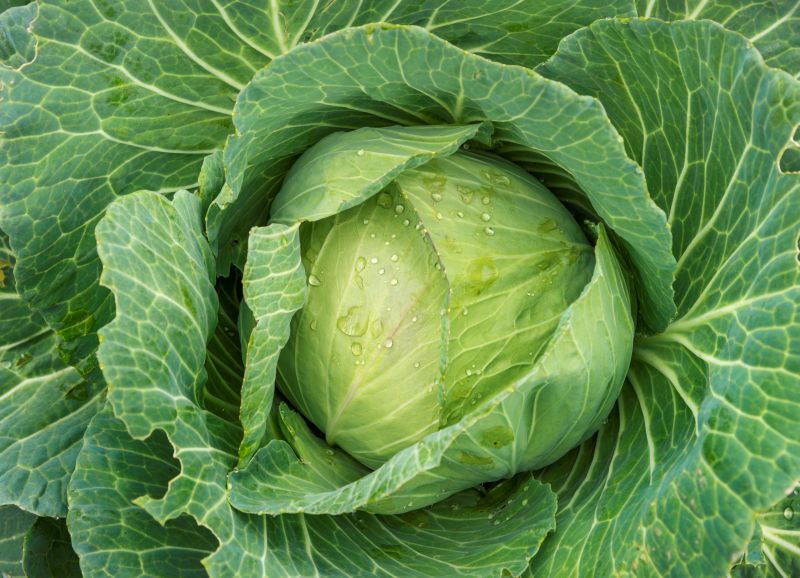
As members of the cabbage family, cabbage worm will affect both broccoli and cauliflower. This is the most common issue we see in these plants, though you may also find slugs are an issue if your garden has a lot of slugs.
If you notice cabbage worm on your broccoli or cauliflower, you can use Spinosad, an organic insecticide, to safely eliminate them. If you have slugs, use Sluggo, an organic slug treatment also safe for use in vegetable gardens.
In the spring, you will need to wrap up your broccoli and cauliflower harvest by mid-late June before cool season vegetables begin to bolt.
In the winter, you can extend your season a little bit longer by using frost cloth to protect your vegetables as the weather cools down. On nights when freeze is expected, cover your broccoli and cauliflower with frost cloth to provide them with extra shelter. You can buy a little more time before the winter takes over by doing this, and extend your growing season for a few weeks.