Most people know that lawns need to be watered, fertilized and treated for weeds. However, it can be a challenge to remember exactly what to do when, so we created this guide to help you along the way.
Our lawn care experts are here to assist you with evaluating your lawn and developing a program to meet your goals and expectations.
Whether you’re building a new lawn from scratch or filling in an existing lawn by over seeding, you can seed and feed your lawn at the same time. But you can’t use a conventional weed preventer or eliminator when you are seeding, as most weed control products inhibit grass seed from germinating.
If you are seeding your lawn, follow the guidelines outlined in Calendar 1.
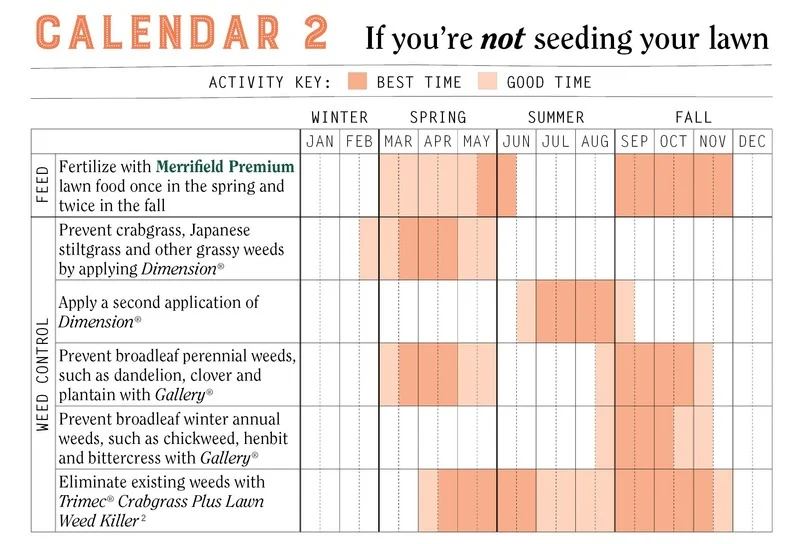
If you are not seeding your lawn and are just looking to eliminate weeds and feed your lawn, follow the guidelines outlined in Calendar 2.
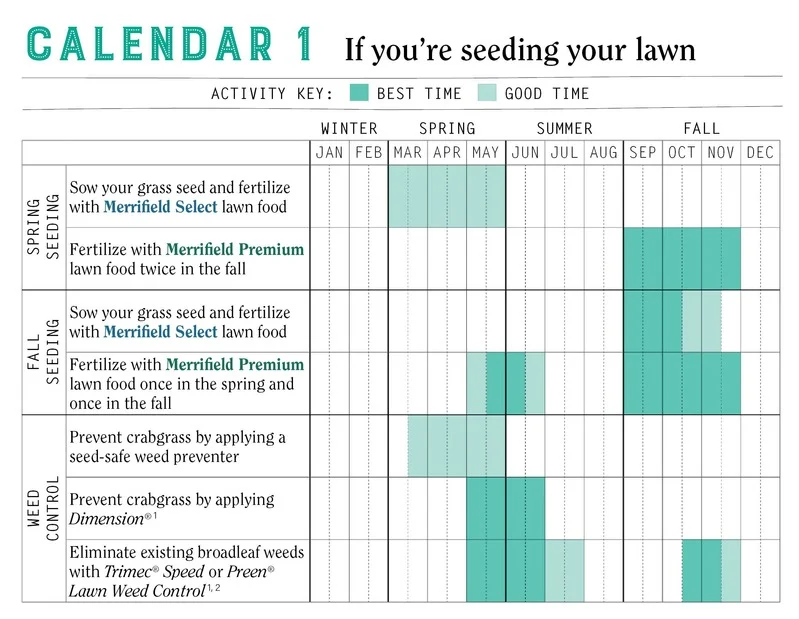
For weed preventers to be effective, you must apply them before the weed seeds germinate. Prevent summer annual weeds, such as crabgrass, Japanese stiltgrass and spurge in early spring. Prevent winter annual weeds, such as chickweed, henbit and bittercress in late summer.
Most preventers inhibit weed seeds from growing for 12 to 20 weeks. These will also inhibit your grass seed during this time. Check the product label for specific timing if you plan to seed after applying a weed preventer.
If you already have weeds growing in your lawn, it’s too late to use a pre-emergent weed control product. You must use a post-emergent weed
killer to eliminate actively growing weeds. Be careful when using these around garden beds as they will harm flowers and shrubs if accidentally applied to these areas.
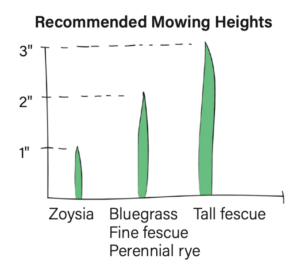
One of the easiest ways to maintain a beautiful and healthy lawn is to mow the lawn with sharp blades set at the correct mowing height. We recommend sharpening your mower blades once a year as mowing with dull blades can leave the grass susceptible to disease. Time your mowing schedule so no more than 1⁄3 of the grass blades are removed at any one time. This helps promote deep roots for better drought tolerance.
Zoysia and bluegrass have a lateral, spreading growth habit and thrive with lower mowing heights.
Established lawns prefer at least 1” of water a week. If this comes from natural rainfall, you should not need to water. In the absence of rainfall—especially in the hot, dry summer—we recommend applying 1” of water once a week, or ½” of water twice a week.
Lawns are happiest when the oil pH is between 6.2 and 6.8. Because the soil in our area is slightly acidic, lime may be necessary to increase the pH. You can lime your lawn anytime of year, except when the ground is frozen. We recommend testing your soil pH once every three to five years. You can pick up a soil test kit at Merrifield Garden Center. Once you get your lawn within the 6.2 to 6.8 range, you can apply lime every other year to keep it there.
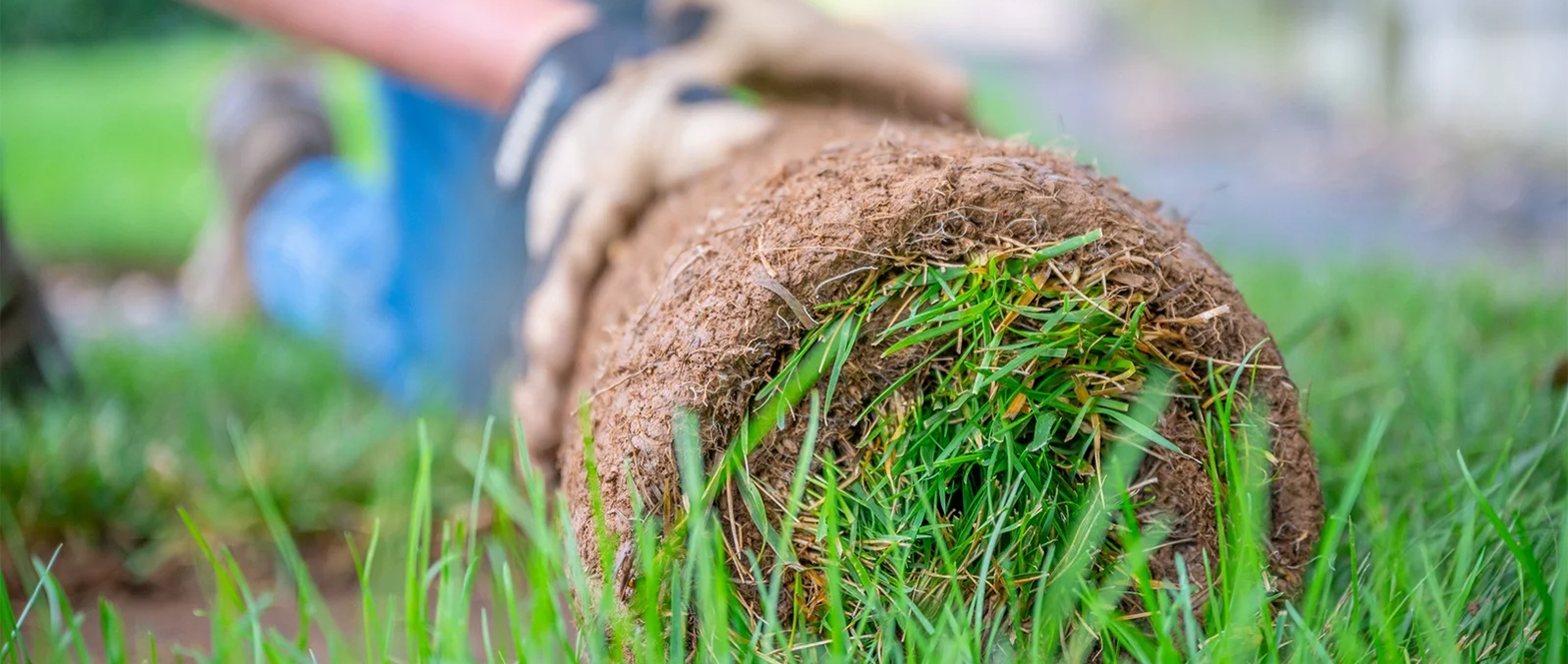
You can lay sod anytime of the year, except when the ground is frozen. When laying sod, it’s very important not to let it dry out. Whether you’re watering or mother nature is, the limited root system will need to remain moist to grow into the soil. As the roots mature, typically after a period of four to six weeks, you can reduce your watering schedule to provide 1” of water per week.
See Our Guide to Caring for Your New Sod.

The most common and destructive pests in our area are the below-ground Japanese beetle grubs, which feed on turf grass roots and cause large, irregular patches of grass to die. The ideal time to prevent grubs is in May and June using Season Long Grub Control. If you discover grubs, ticks, fleas and ants in your lawn and need to eliminate them, you can use 24-Hour Grub Killer Plus between August and early October.
Disease outbreaks are triggered by environmental conditions, such as excessive moisture and heat, and unfortunately are unavoidable. The best approach to keep your lawn less susceptible to disease is to follow the proactive cultural practices presented here. If you encounter a problem area in your lawn, such as brown patch or dollar spot, we encourage you to bring in photos and samples to any of our three Plant Clinics where our diagnostic specialists can recommend a treatment solution.
Our custom grass seed and lawn food blends are specifically formulated for the conditions we face in the Washington, DC metropolitan region.
These seed blends are made up of varieties that have shown superior performance in regional turf trials, independently conducted by Virginia Tech and the University of Maryland.
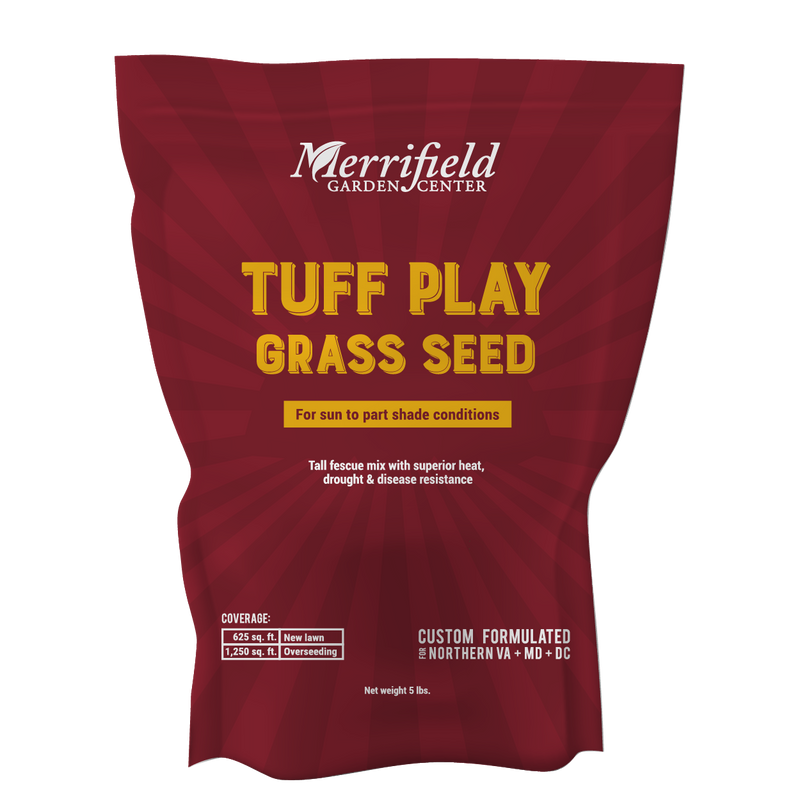
Our most versatile and popular blend, Tuff Play is made up of tall fescues with a touch of Kentucky bluegrass. It produces a medium textured, rich green lawn that is adaptable to many environments.
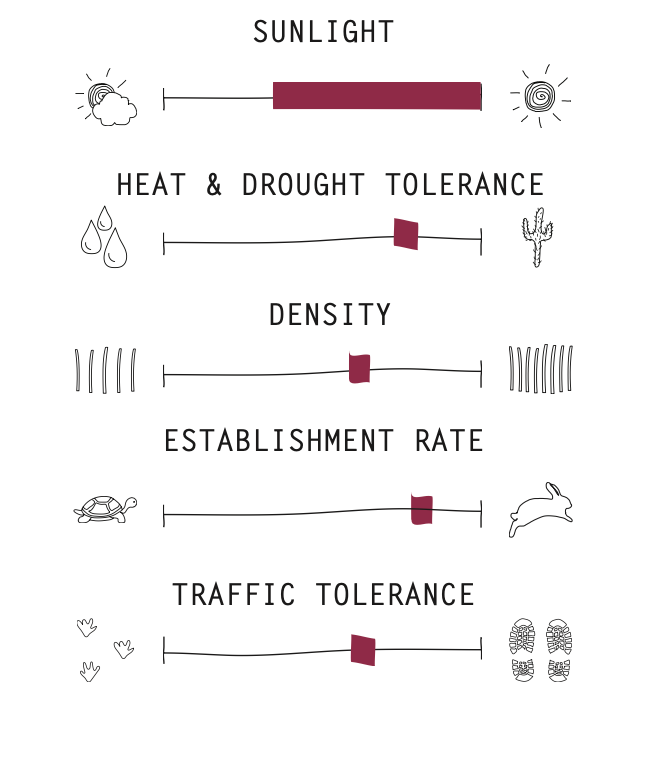
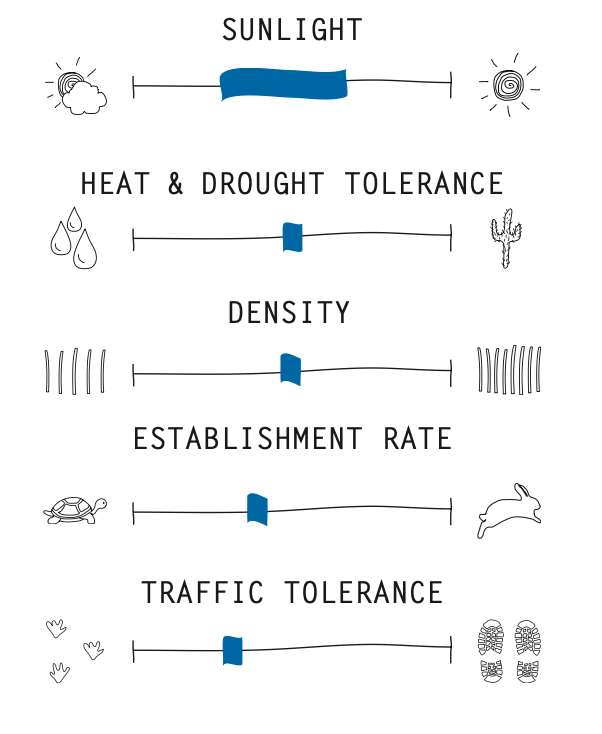
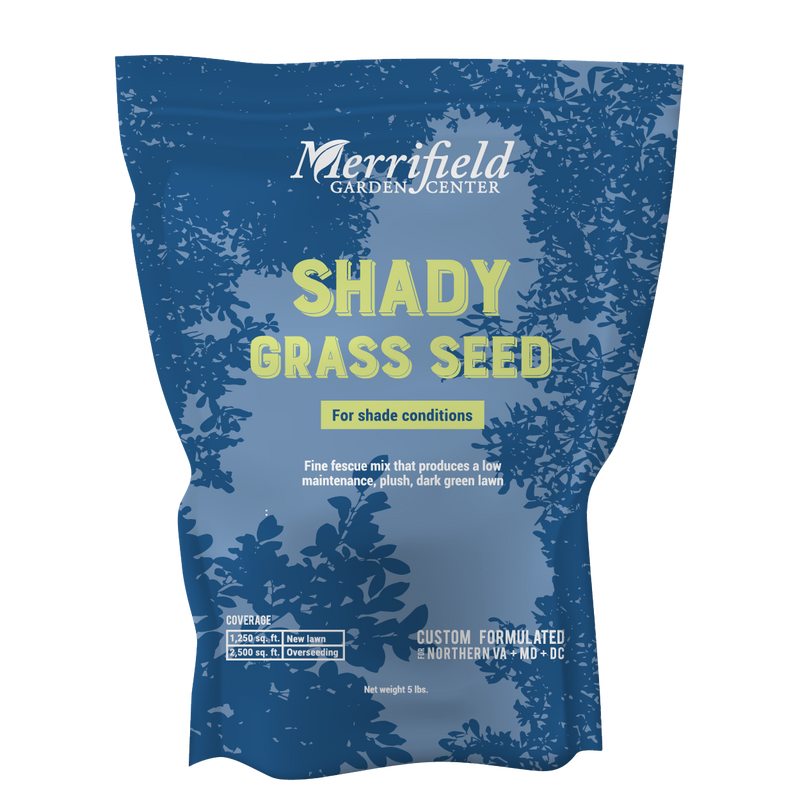
Fine fescues, shade tolerant perennial ryegrass and Kentucky bluegrass combine to create a fine-textured, bright green, easy-care lawn that performs well under trees and adapts to moist or dry, shady soil.
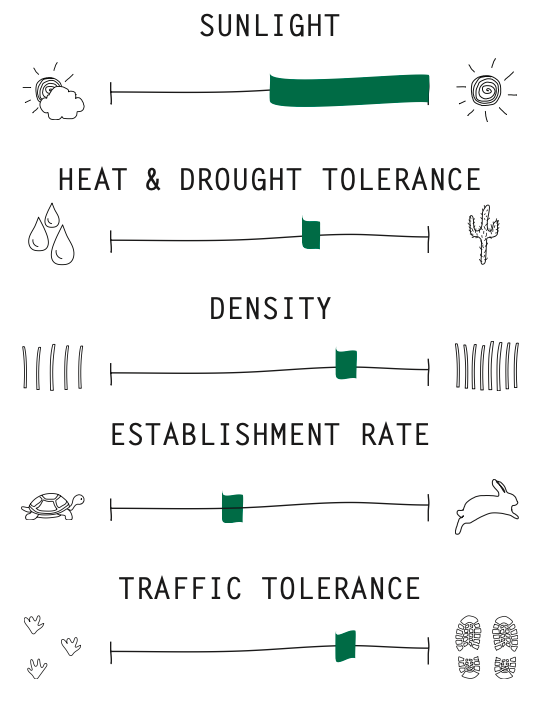
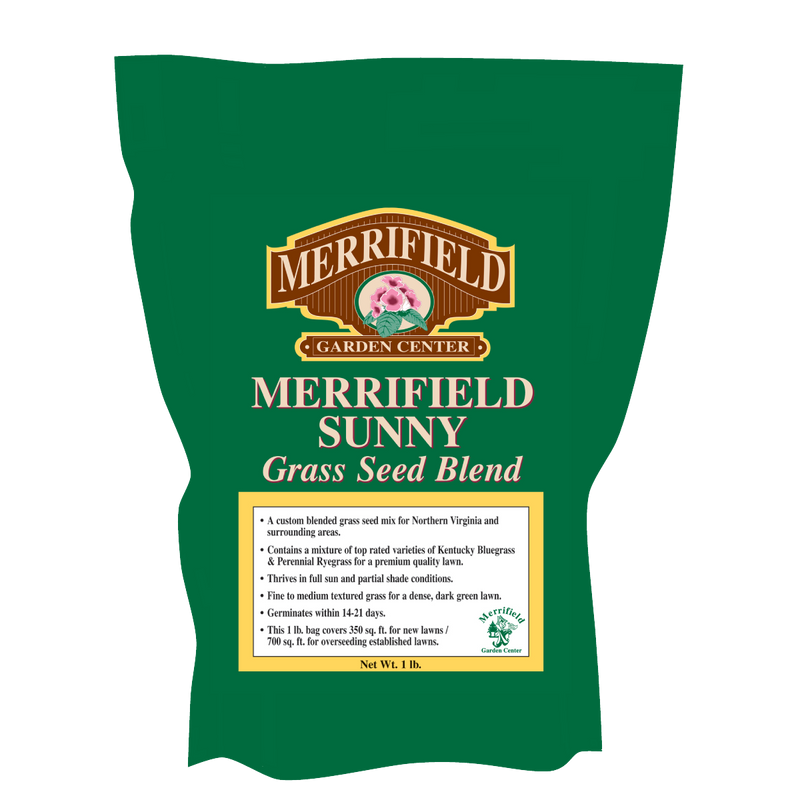
Kentucky bluegrass and perennial ryegrass combine in this blend to produce a luxurious lawn that has a rich, dark blue-green color and a
medium texture. This blend has
a dense, uniform growth habit.
Fertilizer adds important nutrients to your lawn to keep it thick, green and healthy. We recommend feeding your lawn at least once in the spring and twice in the fall.
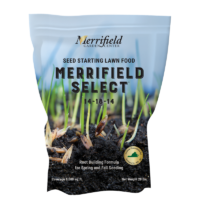
Analysis: 14-18-14
Use: When seeding new lawns and over seeding existing lawns
Features: Controlled, balanced feeding and long lasting, slow-release nitrogen
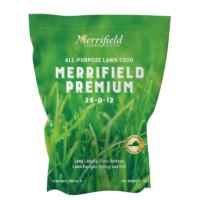
Analysis: 26-0-12
Use: When feeding established lawns
Features: Contains sulfate of potash for drought resistance and turf vigor, and long lasting, slow-release nitrogen
Whatever you need, we have experts to bring your vision to life
Schedule Now