Hydrangeas are one of the most popular landscape shrubs, offering large blooms during the spring and summer in a variety of colors! When caring for your hydrangeas, in particular when pruning them, it is important to ensure you have identified your hydrangea type correctly to ensure that you are pruning at the correct time to encourage the best bloom from your plant.
When observing your hydrangeas, there are a few key ways you can begin to identify them. Let’s start with some basic giveaways.
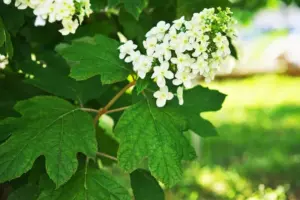
If so, you have an Oakleaf Hydrangea!
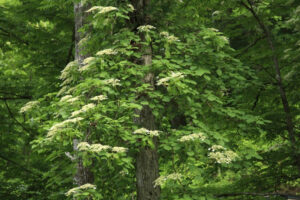
If so, it’s a climbing hydrangea!
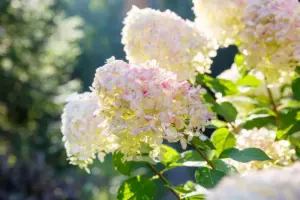
Cone shaped blooms without the oak-shaped leaf mean you have a Panicle Hydrangea.

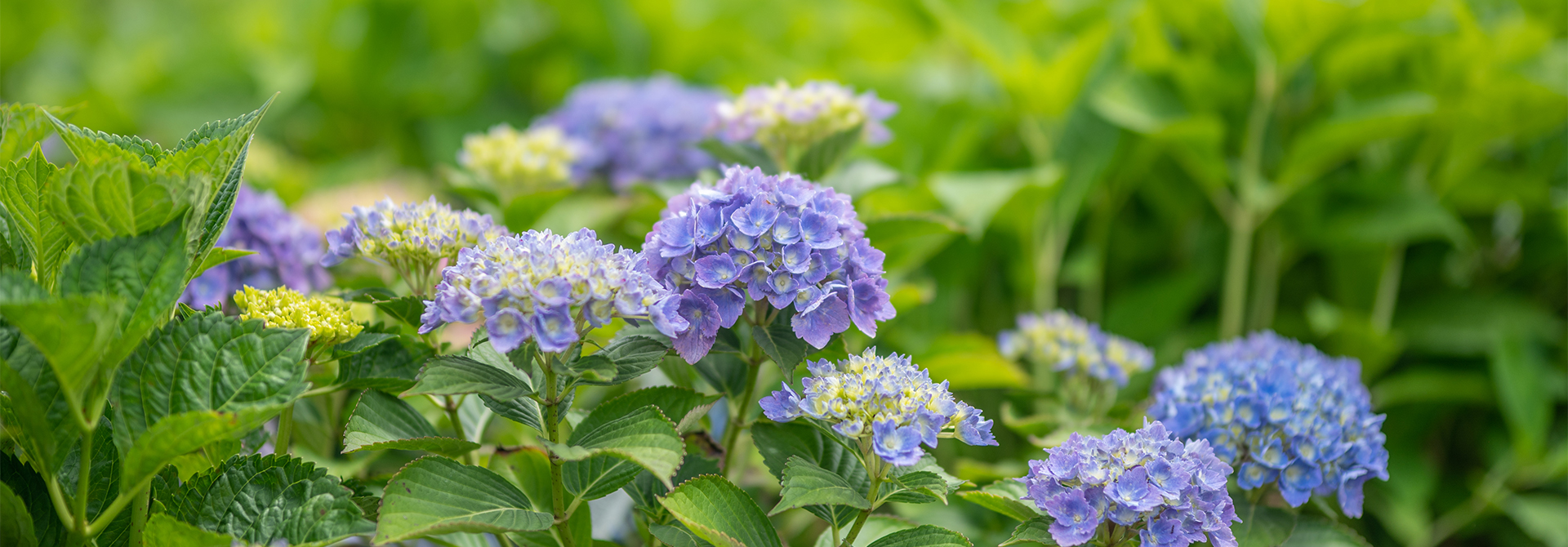
Blue blooms are a giveaway you have a Big Leaf Hydrangea.
If you have a hydrangea with globes of blooms in a shrub form, you have either a smooth hydrangea (our native form) or a Big Leaf hydrangea. We can have a look at the growth habit and foliage of the plant to distinguish the two.
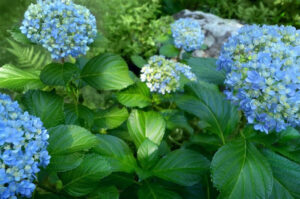
If your plant has large, elliptical, waxy and serrated leaves, you most likely have a Big Leaf hydrangea.
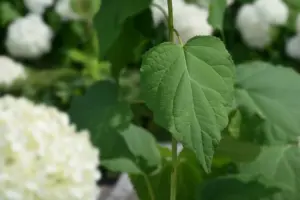
If your plant has more rounded, slightly heart shaped leaves with a matte surface, you likely have a smooth hydrangea.
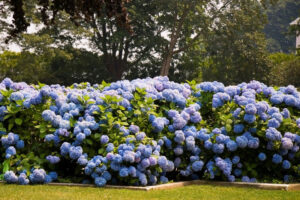
Whether a lacecap or a mophead Big Leaf Hydrangea, the care is the same.
Light: These plants will scorch in hot afternoon sun. They perform best with morning sun and light shade in the afternoon.
Water: Hydrangea macrophylla like well drained soil and do not like sitting in water. If you are dealing with a poorly draining area, you will need to improve the drainage conditions or plant your Hydrangea macrophylla elsewhere.
Pruning: When pruning, remove dead branches in March and do a more thorough pruning immediately after flowering. Hydrangea macrophylla form their buds on the branches which grew over the previous year, before new growth forms the next spring, so you risk cutting off blooms if you wait too long.
Fertilizer: Fertilize these plants with Merrifield Flowering Plant Food or Flower-Tone.
Bloom Color: Pink or Blue varieties are the hydrangeas that can change color. This is based on the soil pH. To change the color of your hydrangeas from pink to blue or vice versa, check your soil pH. Lower the pH for blue flowers, and raise it for pink. You can achieve purple hydrangeas sometimes as well!
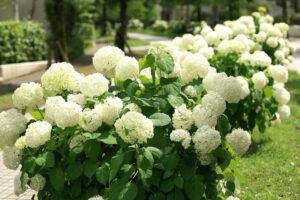
This hydrangea is our native variety and can be found in its natural habitat on wooded slopes and along the east coast of the United States.These hydrangeas can be a great choice for erosion control as they spread easily and look beautiful when grown in mass plantings.
Light: Smooth hydrangeas do best in a part shade location but can tolerate full sun. Shield from the hot afternoon sun for best results.
Soil: These plants are tolerant of poor soil conditions, as long as they are well drained.
Pruning: Smooth Hydrangeas bloom from new growth, so you can prune them much more aggressively than the Big Leaf Hydrangea, all the way to the ground if desired. They produce the best blooms when pruned annually, as this helps them to remain dense and full.
Fertilizer: Fertilize these plants with a balanced fertilizer in the spring.
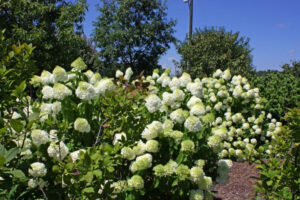
These are the most heat tolerant of the hydrangeas as well as one of the largest, with some varieties reaching 8′ in height with a 6′ spread. If you want a smaller panicle hydrangea, be sure to choose a dwarf variety.
Light: Panicle hydrangeas are the most heat tolerant hydrangeas and can handle even 6 hours of full sun. Morning sun, however, is still preferable.
Soil: Like our other hydrangeas, these plants can handle poor soil, as long as it is well drained.
Pruning: Panicle hydrangeas bloom from new growth. The best time to prune these plants is when they have gone completely dormant. You will want to cut the plant back as needed, removing crossing or rubbing branches and weak or broken stems, to maintain the plant’s shape and encourage healthy growth.
Fertilizer: Fertilize these plants with a balanced fertilizer in the spring.
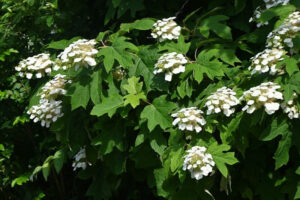
These huge hydrangeas are native to the Southeastern United States, primarily to the south of us, and can reach up to 10 feet tall.
Plant oak leaf hydrangeas with plenty of room to spread out, or plant a compact cultivar that matures at 4’-5’ tall and wide.
Light: Oak leaf hydrangeas, like the panicle hydrangea, are more tolerant of heat and drought conditions.
Soil: These plants like well drained, slightly acidic soil.
Pruning: Oak leaf hydrangeas bloom on old growth. Prune them after flowering, if you wish to thin them or reduce their size.
Fertilizer: Fertilize these plants with a balanced fertilizer in the spring.
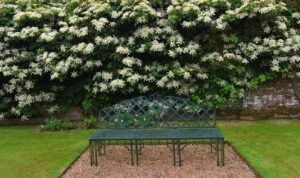
Plant this hydrangea near a trellis or other supportive structure and enjoy climbing white blooms. Plant oak leaf hydrangeas with plenty of room to spread out, or plant a compact cultivar.
Light: Climbing hydrangeas will perform best in part shade but can tolerate full sun.
Soil: These plants like well drained, slightly acidic soil.
Pruning: Prune back your climbing hydrangea when the flowers fade in the late spring.
Fertilizer: Fertilize these plants with a balanced fertilizer in the spring.
Whatever you need, we have experts to bring your vision to life
Schedule Now