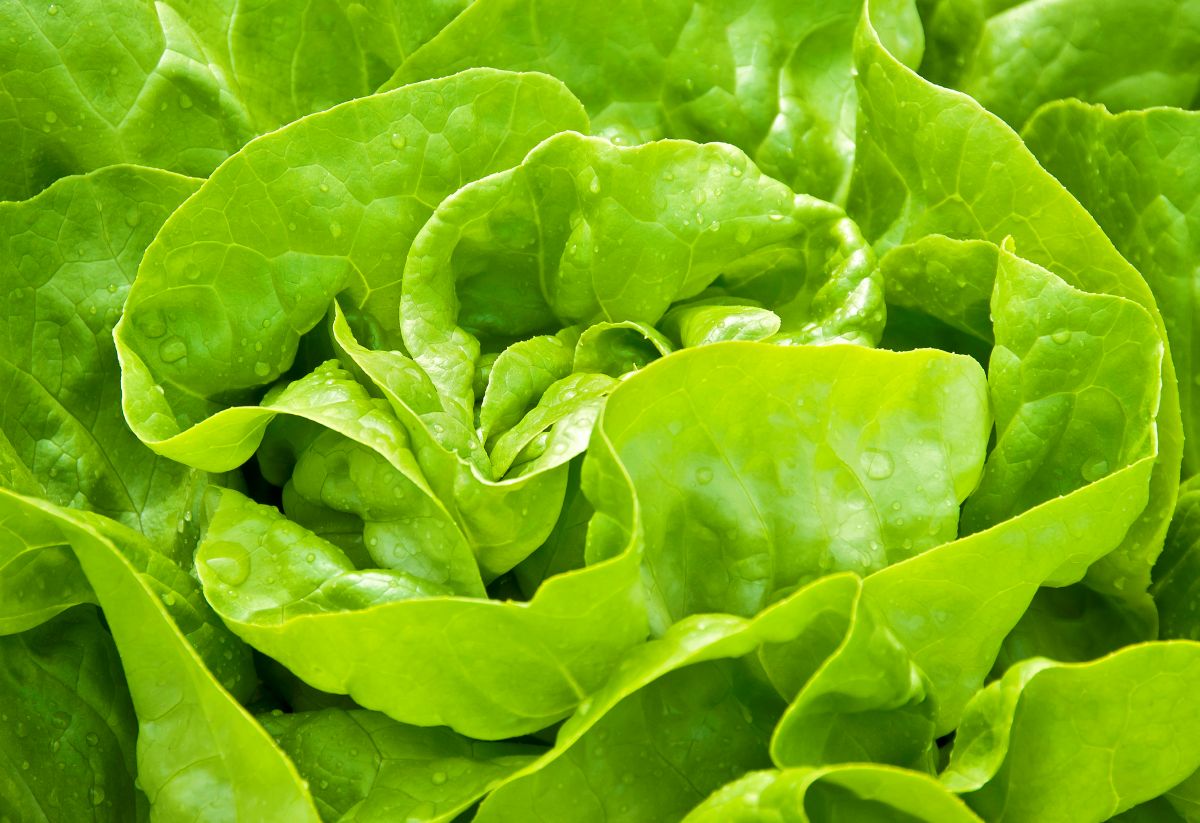
Lettuce is one of the easiest and fastest vegetables to grow, and a great vegetable for new gardeners. It can be planted in the fall season from August to October, or in the spring from March through May. You can grow lettuces from seeds or transplants. All loose leaf lettuces require about the same care, so this guide will cover whatever you type you want to grow, whether you prefer romaine, mesclun mixes, bibb lettuce or buttercrunch.
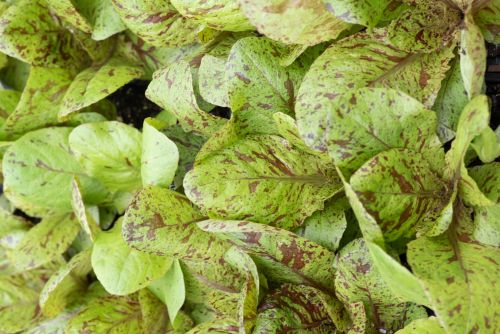
Lettuce can be grown in either containers or directly in the ground, from seed or from transplant. Lettuce is one of the easiest plants to direct sow and grow from seed.
If you are growing from seed, succession planting is a great way to increase your harvest. Plant your first round of seeds, then plant more every two weeks until you reach the end of the planting window in spring or fall. Plant your lettuce seeds according to the package instructions in either a container, a raised garden bed, or directly in the ground. In general you will need to space your plants about 6 to 10 inches apart.
You will follow the same process for your transplanted lettuce, but the transplants by you time to plant a little later as it reduced the time taken for the plants to reach maturity from the time of planting. You can succession plant your transplanted lettuces as well, if you desire.
When the top inch or so of soil is dry around your lettuce plants, it’s time to water. Saturate the soil fully when watering, or if your lettuce is in a container, water until excess drains from the bottom of the pot. You will want to check your lettuce every couple of days at first to get an idea of how often it will need watering.
In order to increase moisture retention, you can add mulch of your liking as a protective covering. This will assist with protecting your crop from extreme temperatures in addition to retaining water in the soil. If planting seedlings, wait until the seeds have germinated and established before mulching the area around your plants, as a layer of mulch over your seeds or seedlings can prevent their growth.
Loose leaf lettuce needs only a few hours of direct sunlight per day, making it possible to grow in part shade conditions. It is one of few vegetables considered to be a part sun to full sun plant, thriving in cooler temperatures away from harsh afternoon sunlight. During hotter parts of the growing season, you may want to use a shade cloth to protect your lettuce from the afternoon sun, if it is not already in shade during those hours.
Lettuces perform well in well-drained, loose soil with plenty of moisture. You can add organic compost to your soil to provide your lettuce with additional nutrients if you prefer. An organic granular fertilizer such as Garden Tone, or a liquid fertilizer such as Fish Emulsion, will work well. Follow the instructions on the bag of your preferred product to determine the timing between fertilization.
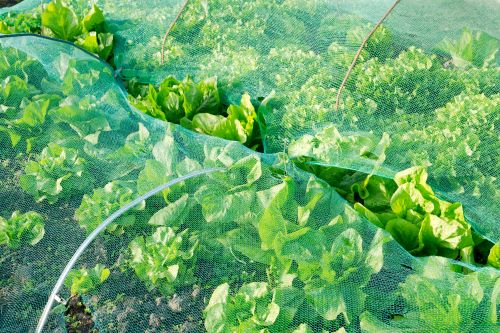
The most significant pests you will find when growing lettuce are slugs. The tender, juicy leaves are decadent to them. Sluggo is an effective organic treatment to use around the base of your plants when you encounter slugs. You can also cover your lettuces with netting, if you have the space to do so.
Lettuce, compared to other vegetables, grows very quickly and you may find it’s ready to harvest in 8 to 10 weeks after germination, which can take 1-3 weeks.
When harvesting, cut your lettuce down to the ground, leaving a stump in place that will regrow during the season. After you snip your greens, bring them inside and rinse them thoroughly before using it in your kitchen.