Straw (Bale)
$16.99
Bales of straw are most commonly used for mulching newly seeded lawns. The straw helps to protect the grass seed and prevent erosion, especially when your new seed is placed on a hill. There is no need to reapply straw when you’re using it to keep grass seed in place as it’s only there to stabilize the soil for 30 to 45 days while you’re waiting for your grass seed to take hold.
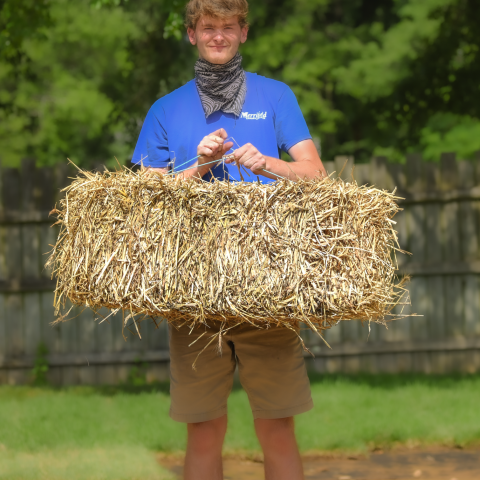
You can also use straw as a mulch when planting vegetable gardens to help stabilize the soil and retain moisture between crops. It does not last very long as it quickly decomposes and decays, and is often thought of as a short term, temporary mulch. You can cover 400 square feet per bale of straw.
We stock straw in bales that can cover 400 square feet each.
We can deliver the straw bales to your location. In addition to delivery, we can also provide installation services. If you’re interested in having our team install your straw bales, please book a landscape appointment and select Garden Cleanup, Mulch and Sod as the appointment type.
When adding straw to your yard:
- Add a 1” layer of straw over the newly seeded lawn and spread it by hand.
- Add a 1 to 3” layer of straw over your newly planted vegetable garden.
- Mow the grass and straw once your grass’s height is 3 to 4”.
Is there any alternative to straw?
Yes. We carry Penn Mulch or Seed Accelerator, both wonderful additions for seeding lawns.
What is straw?
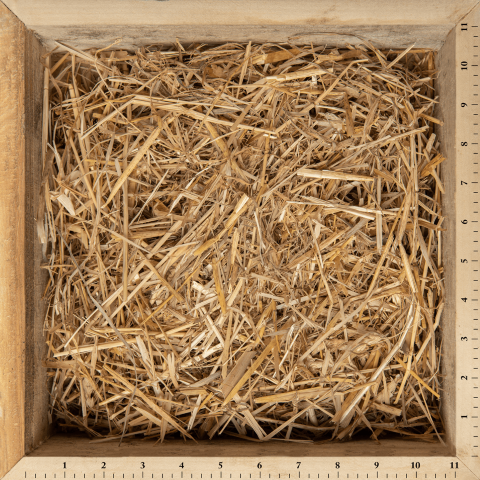
Straw is the dried stalks of grain crops, typically wheat, barley, oats, or rye, after the seed heads have been harvested.
Is straw the same as hay?
No. Straw is made from dried stalks and includes very few seeds. It’s most commonly used for mulching and bedding. Hay is dried grass with seeds and nutrients intact. Hay is commonly used as animal feed.
How long does straw last?
Straw breaks down over the course of a few months. It decomposes faster than wood mulches, improving soil in the process.
If I use straw for seeding, should it be removed after the grass comes up?
No, it can be left in place. Straw naturally decomposes and returns organic matter to the soil.
Shop Related Products
-
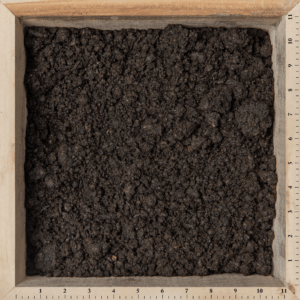
Composted Manure
$6.99 Select options This product has multiple variants. The options may be chosen on the product page -
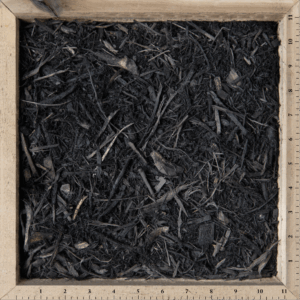
Black Dyed Mulch
Price range: $5.99 through $48.00 Select options This product has multiple variants. The options may be chosen on the product page -
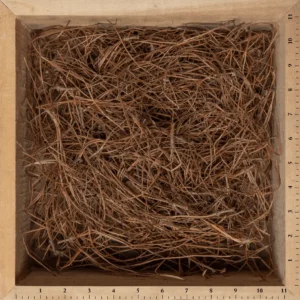
Pine Needles (Compressed Bale)
$29.99 Select options This product has multiple variants. The options may be chosen on the product page -
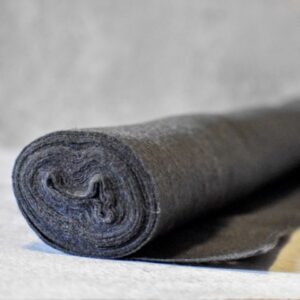
Landscape Fabric
Price range: $1.99 through $899.99 Select options This product has multiple variants. The options may be chosen on the product page