Calathea is the perfect foliage plant for tabletops, shelves and small corners. Calathea’s beautiful foliage, with vivid colors and contrasting variegation, makes these plants well worth the care they require. This is an ideal plant for a gardener who is looking for a statement plant to display in a brightly lit area.
Watering
Calatheas need to be kept in moist soil, but you will want to avoid leaving your plant to sit in soaking wet, saturated soil. You can prevent overwatering by keeping your plant in a pot with a drainage hole and checking the soil before watering to ensure the soil has dried enough. To check the soil, put a finger into the soil of your plant’s pot. If the top inch or two of soil is dry, you can go ahead and water. If the soil is still damp at the top, you can leave it for another day or two. If dry, water thoroughly until water drains from the bottom of the pot. While you get a feeling for how often your plant needs water, you will want to check the soil for dryness every couple of days. If you use a saucer below your plant to keep water off your floors, be sure to drain water from the saucer rather than allowing your plant to sit in a saucer with extra water.
You will find your calathea needs less water during the winter and more water during the growing season. As the weather cools, check in on your plant and adjust your watering schedule if needed to ensure it has enough time between watering. Be aware that it is normal for calathea leaves to droop a little at night! This is actually how the plant obtains its common name “Prayer Plant”. As long as it returns to normal during the day, your plant is fine.
Watering
Calatheas need to be kept in moist soil, but you will want to avoid leaving your plant to sit in soaking wet, saturated soil. You can prevent overwatering by keeping your plant in a pot with a drainage hole and checking the soil before watering to ensure the soil has dried enough. To check the soil, put a finger into the soil of your plant’s pot. If the top inch or two of soil is dry, you can go ahead and water. If the soil is still damp at the top, you can leave it for another day or two. If dry, water thoroughly until water drains from the bottom of the pot. While you get a feeling for how often your plant needs water, you will want to check the soil for dryness every couple of days. If you use a saucer below your plant to keep water off your floors, be sure to drain water from the saucer rather than allowing your plant to sit in a saucer with extra water.
You will find your calathea needs less water during the winter and more water during the growing season. As the weather cools, check in on your plant and adjust your watering schedule if needed to ensure it has enough time between watering. Be aware that it is normal for calathea leaves to droop a little at night! This is actually how the plant obtains its common name “Prayer Plant”. As long as it returns to normal during the day, your plant is fine.
Soil and Fertilizer
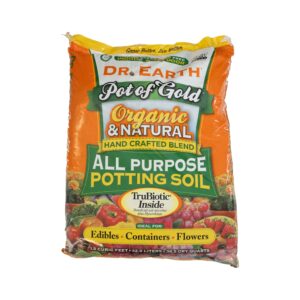
Calathea performs best in a well-draining potting mix with added perlite. You may prefer to use a specialized potting mix for African violets or another light potting mix containing moss. Fertilize your calathea once per month from spring to fall with an all purpose liquid fertilizer, such as Schultz’s, according to the package instructions. There is no need to fertilize your plant in winter.
Sunlight and Temperature
Place your calathea in an area with bright, indirect light. It is fine to place your plant near a window that receives direct sunlight, but you will want to place it either a few feet from the window or behind a sheer curtain to protect the foliage from scorching. Rotate your calathea periodically to encourage it to grow evenly on all sides. If you notice brown spots developing on your plant’s foliage, your plant may be receiving too much sun. Move it a bit farther from the window, or place it behind a curtain for additional protection.
Winter Issues
Calathea can be sensitive to large fluctuations in temperature. Plants that sit on a windowsill during most of the year may do best moved away from the window in the winter. They do not perform well below 60 degrees or in dry air. Check your plant as the weather cools to ensure it is kept out of drafts and in areas that are consistently heated, and consider using a humidifier or placing your plant on a pebble tray to increase moisture in the air around your calathea.
Repotting
Smaller calathea should be repotted approximately every 12 to 18 months, while larger plants can go up to two years before repotting. When it’s time to repot, choose a vessel one size larger than its original pot, or 1 to 2 inches greater in diameter. Spring or summer is the best time to repot your plant, while it is actively growing.
Foliage Issues
Overwatering and underwatering are the cause of most foliage issues you will encounter, but there are a number of other issues to be aware of. Browning, withering leaves are generally a sign of underwatering. If, however, your calathea has brown spots on the leaves, your plant may be scorched from the sun.
Yellow leaves can be a sign of overwatering, or that they are sensitive to minerals in the water you are using. Check your plant to ensure it is not sitting in water. If it is not, try using rainwater or distilled water on your plant, or place tap water out for 24 hours to allow chlorine and fluoride to evaporate.
Common Pests and Solutions
Mealybugs, whiteflies and spider mites are common houseplant pests that can affect calathea from time to time. Check the leaves of your plant regularly for signs of pests. Spray down your plant with water if you find pests, then use horticultural oil or neem oil. If you are not sure what issue is impacting your plant, you can always bring a sample in a plastic bag to the plant clinic at our store for identification. A clear photo of the plant including the issue can also work, but we are not always able to diagnose with a photo alone.