Perhaps one of the best known low maintenance, low light tolerant houseplants, Sansevieria or “Snake Plant,” is a great choice for beginner gardeners, people who like to travel, and people who want a plant without wanting to spend time caring for it. The snake plant thrives in dry conditions and can survive long periods of neglect. They are slow growing, but can grow to large sizes over time. While this plant tolerates all kinds of conditions, we’ve outlined the ideal environmental and care needs for you in this guide.
Watering
Like succulents, snake plants are adapted to retain water and can go for long periods between watering. Allow the soil to dry out completely, or almost completely, before watering thoroughly. For smaller plants, you will be able to lift the pot and feel that it is much lighter than it was when first watered. You can test larger plants by putting a finger in the soil, and watering if the top couple of inches of soil are dry. When watering, slowly drench the soil and root ball, allowing excess water to drain afterwards. If your plant’s pot is sitting in a saucer, drain excess water from the saucer as well after about 10-15 minutes.
Your snake plant will need less water during the winter months, when it is not actively growing. If you purchased your plant in the spring or summer, you may want to begin checking your plant again before watering to get a feeling for winter watering frequency.
If your sansevieria’s leaves become wrinkled, you are probably watering too little. Increase your watering frequency and watch your plant for improvement. You may also see the tips of the leaves turn brown. Yellowing leaves, on the other hand, are generally a sign of overwatering. Drain your plant and allow it to dry out completely before watering again. If you notice a foul smell, mushy or collapsing leaves, you may want to check the roots of your plant for root rot. Prune any unhealthy roots and review our repotting instructions below to repot your plant.
Sunlight and Temperature
These plants tolerate low light, but grow very slowly in low-light conditions. Their ideal environment provides medium to bright indirect light. Your snake plant will do just fine in just about any light conditions, and you can move it around as needed. Dust the leaves regularly to ensure they have full access to the sunlight! You can do this by wiping the leaves gently with a damp cloth or paper towel.
Snake plants are tropicals and will do best in temperatures above 70 degrees fahrenheit. They can survive in temperatures as low as 50 degrees, but should be kept away from cold parts of the house, and will need to be kept indoors during the winter. Overly cold weather can cause your plants’ leaves to yellow, and overexposure to cold weather can kill snake plants.
Soil & Fertilizer
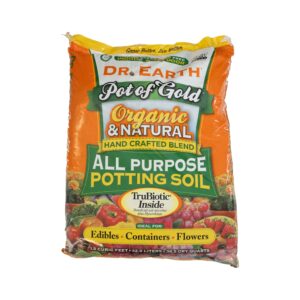
A quick draining potting mix is ideal for snake plants. You may want to mix added perlite into a standard potting mix, or use a cactus mix. Snake plants do not need a lot of fertilizer, but if you choose to do so, you can fertilize in the spring and summer with a balanced, all-purpose liquid or slow release fertilizer such as Schultz All Purpose Fertilizer.
Repotting
Snake plants like to be snug in their pots, so you can wait to repot until you see roots growing out of the top or drainage hole of your plant’s current pot. When this occurs, move it to a pot just one size up, or 1-2 inches in diameter larger, than its current pot. When repotting, add a well-draining potting mix to the new pot, then remove your plant from its old pot, gently loosen the roots with your fingers and place it in the new pot. You can then finish filing the new pot with soil.
Common Issues & Solutions
Overwatering is the cause of most issues we see in snake plants. Root rot in particular can occur when the plant sits in wet, saturated soil. Should you notice your plant’s leaves yellowing or a foul smell coming from your plant, check the soil for water. You may need to remove the plant from its pot and check the roots, removing any that appear mushy or rotten.
Mealybugs are an occasional pest of snake plants. These pests are white, waxy in appearance and often occur in groups. You can wipe them away using a cotton swab dipped in rubbing alcohol. You may also see spider mites, which are named for the webby materials they produce on plants they are feeding on. Please visit our plant clinic for treatment recommendations!