With fall underway and the growing season coming to an end, it’s a great idea to nourish your garden soil for spring planting before the winter hits. We recommend taking a few steps in the fall to improve your soil quality and to protect it from wind, rain and frost erosion and structural damage. You can accomplish these goals by adding soil amendments, mulching and planting cover crops.
Add Soil Amendments
You can nourish your existing soil with nutrient dense soil amendments to improve the overall health, composition and density of your soil. Choosing a soil amendment is really based on personal preference, budget and the size of the area you wish to amend. Bagged or bulk, organic or conventional, there are a wide variety of options to choose from. A few of our favorites include:
Bumper Crop is an organic product and a good choice if you want a bagged amendment. It includes a wide variety of nutrients, including forest humus, shellfish shells, a wetting agent, pH adjusters, reduced peat moss, manures, worm castings, lobster meal, aged bark, kelp, aged wood fiber, cured compost and dehydrated poultry manure.
Composted cow manure and other manure-based products like McGills Premium Compost are excellent, budget friendly options. McGills is available in bulk as well as bagged.
Soil Mate is a popular bulk amendment made from mulched leaves, sticks and grass clippings. Leafgro is it’s bagged alternative. This is an excellent choice for large gardens.
You can view other soil amendments here.
How to apply soil amendments
Established beds can be topdressed with soil amendments. There is no need to mix the amendments into the soil with a shovel! Just spread your amendments evenly over the area you want to work on.
You will need mix a layer of your preferred amendment into the soil of new beds, working it in well with a shovel to incorporate the amendment with the existing soil.
Mulch Over Garden Beds
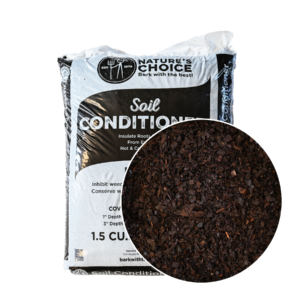
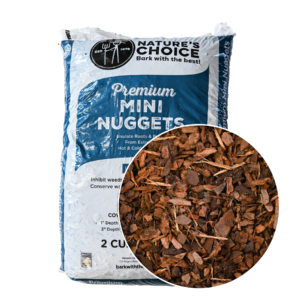
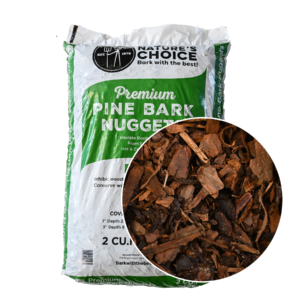
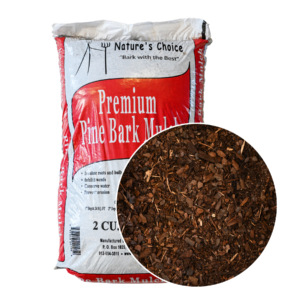
Adding a 1-3” layer of mulch on top of your soil during the fall season will protect your garden beds from the elements and conserve moisture during the winter season. Many people also appreciate the tidy look of a mulched bed! The mulch type is up to your preference. While most people prefer some kind of wood chips or pine straw, you can also use your own leaf clippings or cardboard.
Organic mulch such as LeafGro, straw, pine bark, shredded hardwood and wood chips are wonderful for protecting your soil from loss of nutrients due to run off and leaching. Bark mulches are long lasting and generally considered the most attractive. Click here for more information about mulches.
A low-cost option for mulches is cardboard, which has become popular in recent years. Using cardboard to cover the soil is easy, budget-friendly and convenient, but will not add nutrients to your soil. You can also use shredded yard debris as a mulch covering. Just gather any fallen leaves and grass clippings and shred it with your mower, adding it to your garden beds when it’s all shredded.
Plant Cover Crops
Vegetable, fruit and herb gardens need some love in the fall, too. Cover crops are plants that are specifically grown to improve and protect your soil, planted during the off-season. They add beneficial nitrogen to your soil and also helps to prevent nutrient runoff. Cover crops are available as seed, very similar to lawn seed.
Winter rye, red clover and crimson clover are some of the most popular cover crops. To start your cover crop, simply sprinkle the seeds over your soil and let it grow throughout the cold season. You can combine cover crops together, and grow your rye and clover together, if you prefer.